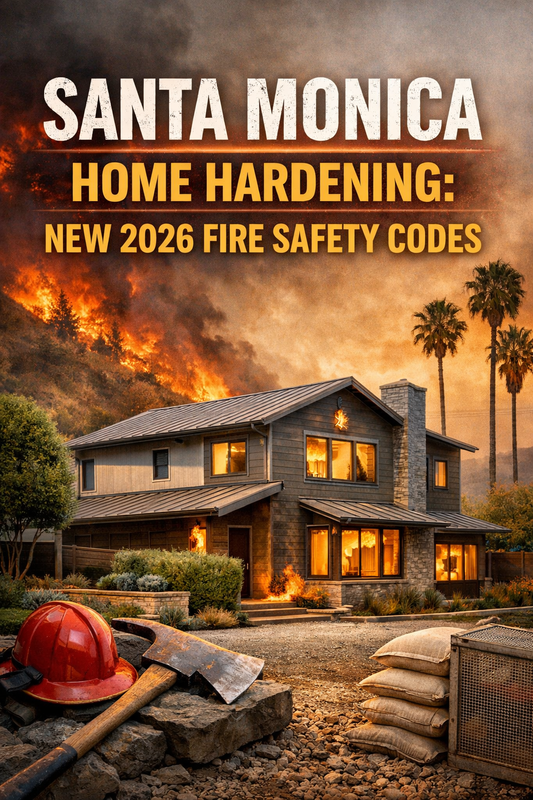
Staying In Santa Monica offers a distinct mix of coastal beauty and hill proximity, yet this geographic luxury includes a specific duty concerning ecological security. As we relocate through 2026, the conversation around residential construction has changed significantly toward strength. The local landscape, defined by the completely dry Santa Ana winds and the dense plants of the neighboring canyons, requires a positive strategy to building protection. Recent updates to security requirements currently highlight a principle called home solidifying, which concentrates on making the physical structure of a house less susceptible to ignition from flying cinders. These ashes can often travel over a mile from the front lines of a fire, making every home in the region a prospective target despite its direct distance to brush.
Comprehending the Change in 2026 Residential Requirements
The latest updates to the fire codes stand for a comprehensive effort to bridge the gap in between typical structure techniques and contemporary environmental demands. For homeowners in Santa Monica, these changes are not just suggestions yet are ending up being integrated right into the allowing process for brand-new builds and major renovations. Among the primary focuses is the establishment of what specialists call Area No. This is a cinder resistant location that expands 5 feet from the actual side of the house. In the past, numerous locals favored lush landscape design right approximately their structure, yet the brand-new 2026 standards prioritize fireproof products like crushed rock, rock, or pavers in this instant perimeter. By getting rid of natural compost and woody plants from this 5 foot barrier, you significantly decrease the opportunity of a ground fire reaching the house siding or vents of your home.
The Relevance of Product Selection for Exterior Surfaces
When it pertains to the actual shell of your house, the 2026 codes are very certain regarding the kinds of materials that provide the highest level of security. Numerous older homes in the area feature timber siding or shingles which, while cosmetically pleasing, supply extremely little resistance to intense heat. The move toward building fire resistant homes entails utilizing fiber cement house siding, specialized stucco, or stonework. These materials do not simply reduce the spread of flames; they prevent the outside wall surfaces from sparking in the first place. The objective is to develop a continual noncombustible obstacle from the structure all the way as much as the roofline. This shift is especially important for residential properties that remain on the side of the Santa Monica Hills where the surface can funnel warmth and wind directly toward property roads.
Reinforcing one of the most At Risk Access Factors
Vents and home windows are usually the weakest links in a home's protection system. During a wind driven occasion, cinders are forced into attic room areas through conventional vents, where they can spark insulation and structural beam of lights from the inside out. The new 2026 guidelines require the installation of specialized ember immune vents that feature a much finer mesh or internal baffles designed to block tiny triggers while still permitting appropriate air flow. Similarly, home window requirements have actually been upgraded to mandate dual paned tempered glass. Safety glass is dramatically a lot more durable to the thermal shock triggered by intense radiant heat. If a criterion window splits or shatters, it leaves the inside of the home totally revealed, but toughened up glass remains undamaged much longer, supplying an important home window of safety for the structure.
Lessons from Regional Recovery Initiatives
Considering just how other close-by areas have actually handled current ecological obstacles gives a clear roadmap learn more for Santa Monica residents. For instance, the recurring Palisades fire rebuilding procedure has highlighted the effectiveness of these modern-day hardening techniques. Homes that were constructed or retrofitted with noncombustible eaves and boxed-in soffits showed a much greater survival rate compared to those with typical open rafter building. When eaves are boxed in, it prevents warm gases and cinders from obtaining caught underneath the roofing overhang. This easy building shift is now a characteristic of accountable construction in the Westside area. It mirrors a growing understanding that structure for beauty need to work together with building for durability and safety and security in the California climate.
Enhancing Roof Covering Integrity and Seamless Gutter Safety
The roofing system is the biggest surface on any home and is the most likely location for ashes to land and accumulate. The 2026 codes strictly impose using Course A ranked roof covering products such as slate, tile, or premium quality asphalt make-up tiles. Nonetheless, the product itself is just part of the formula. Homeowners must also guarantee that the spaces between the roofing system deck and the covering are sealed to prevent ashes from moving beneath the ceramic tiles. Rain gutters are one more location of problem, as they frequently collect completely dry fallen leaves and debris that act as kindling. Installing fireproof metal gutter guards is now very suggested to keep these networks clear. When a fire is nearby, a tidy rain gutter system guarantees that a roaming stimulate doesn't develop into a localized fire right beside your roofline.
The Function of Professional Know-how in Modern Building
Browsing these new laws can be complicated, specifically when attempting to balance contemporary aesthetic appeals with strict security conformity. Numerous homeowners find that partnering with a luxury home building company is the most efficient means to guarantee their building fulfills every 2026 standard without sacrificing the luxury style they anticipate. Specialist builders who focus on the Santa Monica and Westside markets are skilled in the nuances of the regional community codes and the certain obstacles presented by the coastal atmosphere. They can integrate fire resistant features into the initial layout stage, such as picking steel framed windows or stone outside accents that look beautiful while offering an essential safety function. This competence is vital when managing the complex permitting and inspection procedures required for seaside building and construction today.
Securing Accessory Frameworks and Perimeter Secure Fencing
The new safety criteria also expand beyond the main house to consist of decks, fences, and outhouses. Typical wooden fencings typically act as a fuse, leading a fire straight from the perimeter of a residential or commercial property to the major structure. To alleviate this risk, the 2026 codes suggest that the initial five to eight feet of any kind of fence connected to a residence should be made from fireproof products like metal or masonry. Decks are additionally being scrutinized, with a push toward utilizing ignition immune composite products or heavy wood that is less likely to stir up from below. Confining the space under a deck with fine metal mesh can stop the buildup of combustible particles and embers, even more solidifying the building versus a relocating fire front.
Future Proofing Your Santa Monica Investment
Purchasing these upgrades is not just about adhering to the regulation; it is about future proofing your home against the altering climate and the advancing insurance policy landscape. Lots of insurance coverage service providers are now considering home solidifying measures as a requirement for protection or as a way to figure out premium prices. By executing these 2026 fire safety and security codes now, you are basically securing the long-term value of your Santa Monica realty. The assurance that includes knowing your home is built to the greatest feasible requirement of durability is a significant benefit in an area where ecological awareness belongs to day-to-day life. These proactive steps make certain that your residential property remains a safe house for years to find.
We welcome you to follow our blog and return consistently for future updates on local structure fads and safety guidelines in the Santa Monica location. Would you like me to produce a recap of the specific 2026 material demands for various home areas mentioned in the post?